
Life is unpredictable, and dental emergencies can happen when you least expect them. Knowing how to respond quickly and effectively can make all the difference in saving a tooth and minimizing long-term damage.
Common Dental Emergencies
Knocked-Out Tooth: This is one of the most time-sensitive dental emergencies. With prompt action, it's often possible to re-implant the tooth.
Severe Toothache: A persistent, intense toothache could indicate a serious problem, such as an infection or abscess.
Chipped or Fractured Tooth: While not always as urgent as a knocked-out tooth, a broken tooth can be painful and should be addressed to prevent further damage.
Lost Filling or Crown: This can expose the sensitive inner layers of the tooth, causing pain and discomfort.
Soft Tissue Injuries: Cuts or punctures to the gums, tongue, or cheeks can bleed heavily and may require professional attention.
What To Do In a Dental Emergency
Stay Calm: It's important to remain as calm as possible so you can think clearly and act quickly.
Assess the Situation: Determine the extent of the injury and whether immediate medical attention is needed.
Control Bleeding: Apply gentle pressure to the affected area with a clean cloth.
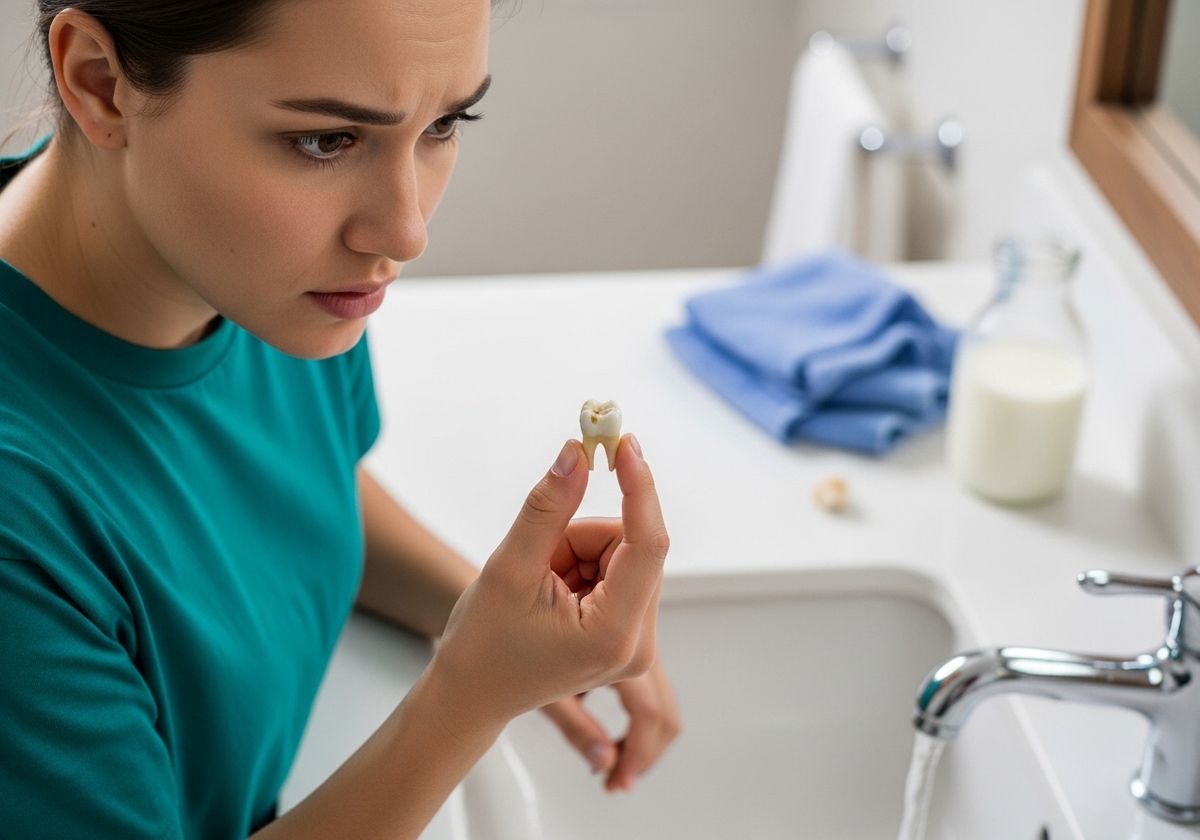
For a Knocked-Out Tooth:
Retrieve the tooth, handling it by the crown (the part you chew with).
Gently rinse the tooth with water, but do not scrub it or remove any tissue fragments.
If possible, try to re-implant the tooth in its socket. Hold it in place by gently biting down on a clean cloth.
If you can't re-implant the tooth, store it in a container of milk, saline solution, or even saliva.
Seek immediate dental attention. The sooner you see a dentist, the higher the chance of saving the tooth.
For a Severe Toothache:
Rinse your mouth with warm water.
Gently floss to remove any food particles that may be causing irritation.
Take an over-the-counter pain reliever.
Contact your dentist as soon as possible.
For a Chipped or Fractured Tooth:
Rinse your mouth with warm water.
Apply a cold compress to the affected area to reduce swelling.
If possible, save any broken pieces of the tooth and bring them with you to the dentist.
Seek dental attention as soon as possible to prevent further damage or infection. A cosmetic dentist can help restore your smile.
For a Lost Filling or Crown:
If possible, try to replace the crown temporarily using over-the-counter dental cement or denture adhesive.
Avoid chewing on the side of your mouth with the missing filling or crown.
Contact your dentist to schedule an appointment for a permanent replacement.
For Soft Tissue Injuries:
Rinse your mouth with warm water.
Apply direct pressure to the wound with a clean cloth to stop the bleeding.
If the bleeding is severe or doesn't stop after 15-20 minutes, seek immediate medical attention.
Preventing Dental Emergencies
While not all dental emergencies can be avoided, there are steps you can take to reduce your risk:
Wear a mouthguard when participating in sports or other activities that could result in dental injuries.
Maintain good oral hygiene habits, including brushing twice a day and flossing daily.
Avoid chewing on hard foods or objects that could damage your teeth.
See your dentist regularly for check-ups and cleanings.
Being prepared and knowing how to react can significantly improve the outcome of a dental emergency. Remember, quick action and professional dental care are key to preserving your oral health. At Radiant Smiles Dental, we're committed to providing prompt and effective emergency dental services. Don't hesitate to contact us if you experience a dental emergency or if you have any questions about your oral health. You can also visit our website to learn more about our services and how we can help you maintain a healthy, radiant smile.